Choosing Fabric, Printing and Edge Finishing for a Custom Silk Scarf
A design may look complete on screen, but several decisions still stand between the artwork and the finished scarf. The fabric affects how the scarf feels and drapes. The printing specification affects how the image appears on the front and back. The edge finish changes both the look of the border and the space available for the design.
For brands, artists and buyers ordering a custom silk scarf, it helps to consider these choices together before making a sample.
Start with how the scarf will be used
The intended use is a better starting point than choosing a fabric from a list. A small scarf tied around a bag handle has different needs from a larger piece worn around the shoulders. A scarf made for a fashion collection may also call for a different feel from one made for a performance, display or special event.
Before discussing materials, decide on the approximate finished size, how the scarf will be worn or handled, and which parts of the artwork must remain visible. These details help narrow down the fabric and finishing options.
Choose the fabric by feel, weight and drape
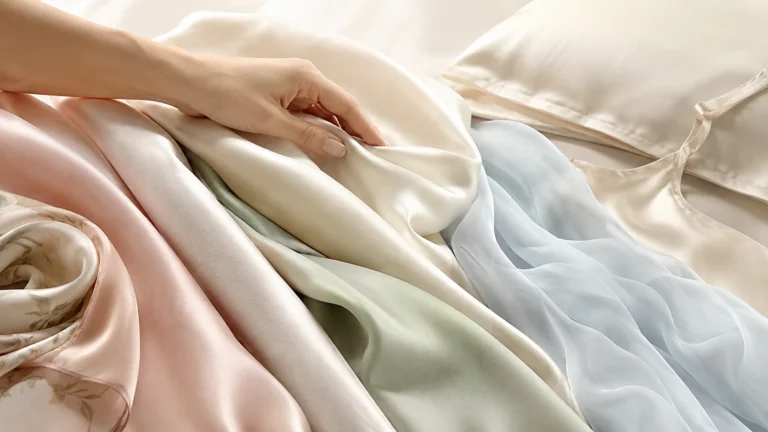
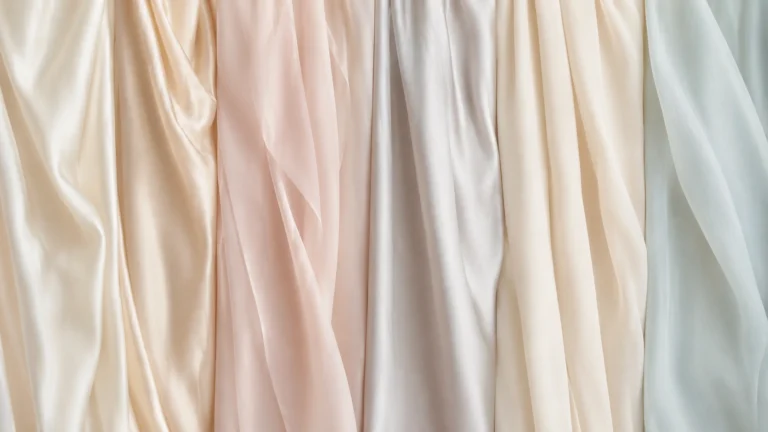
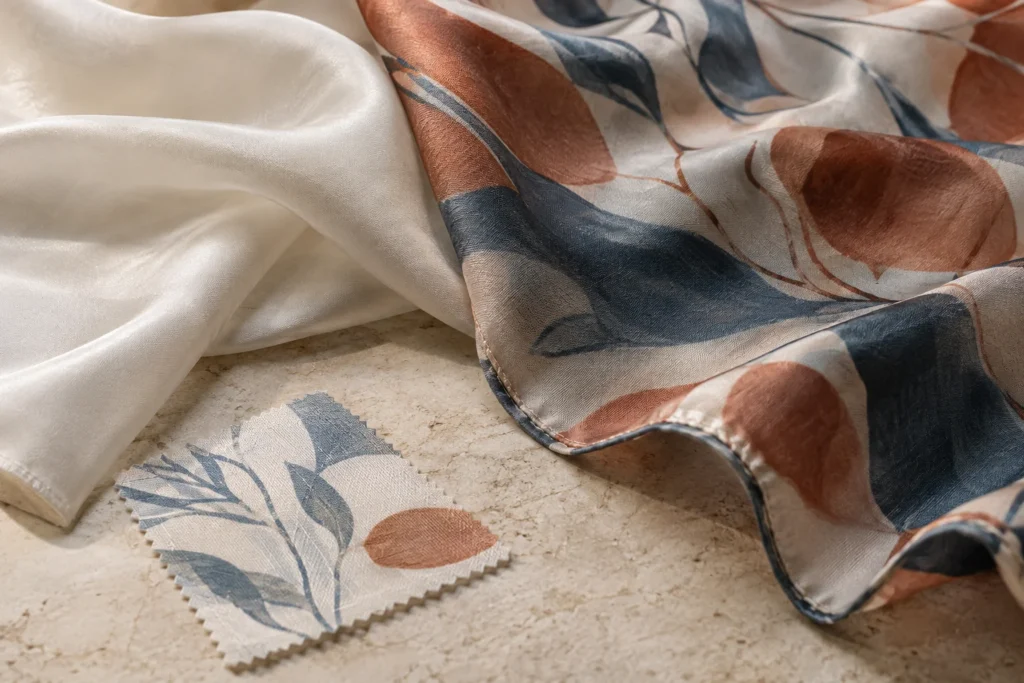
Silk fabrics can differ noticeably in weight, surface and movement. A lightweight fabric may feel airy and fold into a small shape. A more substantial fabric may give the scarf a fuller feel and a more defined drape. The right choice depends on the effect the buyer wants from the finished piece.
Momme is a measure of silk fabric weight. It is useful when comparing specifications, but a momme number alone does not tell the whole story: the weave and finish also affect how the fabric feels. If possible, compare physical swatches and review a sample made with the intended fabric.
For example, an 8 Momme Habotai silk may suit a project where a light, fluid piece is wanted. Whether it is the best choice still depends on the scarf’s size, use and desired appearance. A fabric decision is easier to make when the buyer can handle the material rather than judge it from a product name alone.
Check what the printing specification means for both sides
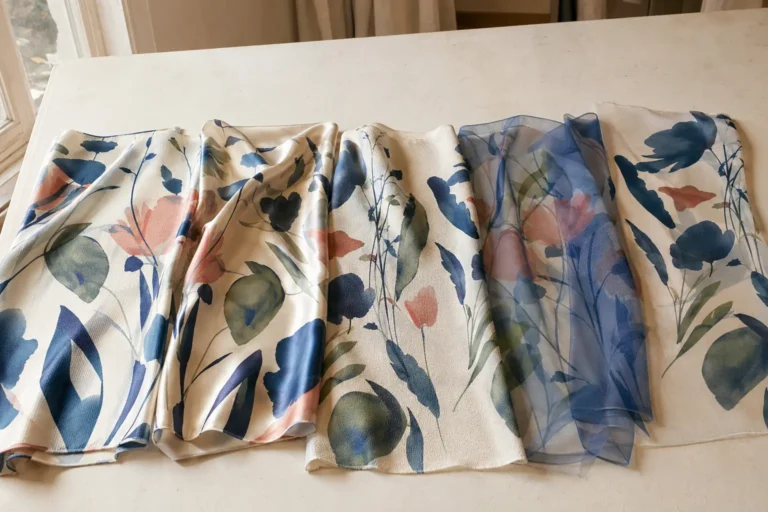
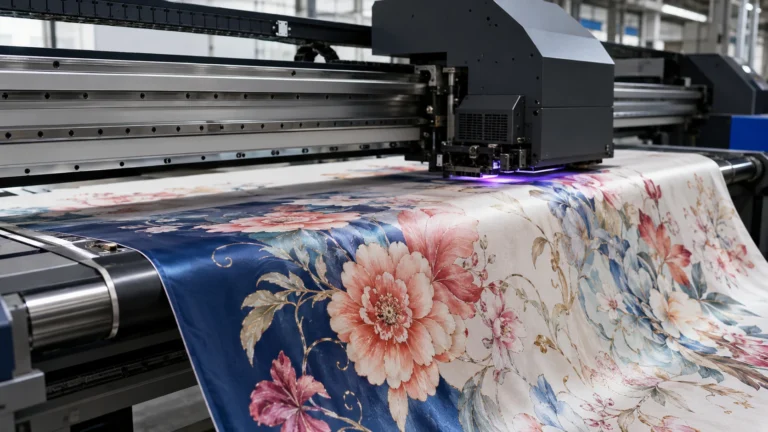
For a printed scarf, buyers should confirm whether the design is intended to be printed on one side or both sides. With single-sided printing, the reverse may show the design differently from the front. How noticeable that difference is can depend on the fabric and the artwork.
This matters especially when the scarf will be folded, tied or moved during use. A design that looks striking when laid flat may show large areas of its reverse when worn.
Color also needs to be reviewed on the actual material. A digital image on a screen is useful for checking layout, but it cannot fully show how the finished print will look on silk. If a particular shade or fine detail is essential to the design, identify it before sampling so it can receive closer attention during review.
Plan the border before finishing the edges
The edge is a small part of a scarf, but it can have a large effect on the final design. Hand-rolled edges create a rounded, finished border. They also use part of the fabric near the edge, so important text, a logo or a narrow decorative line should not be placed there without checking the production layout.
A border should be judged on the finished scarf, not only on the flat artwork. Ask whether the design still looks balanced after the edges are finished and whether its key details remain clear when the scarf is folded or tied.
If a particular edge style is important to the project, include it in the original brief and inspect it on the sample. This is more reliable than deciding on the finish after the artwork has been finalized.
Bring the specifications together in one brief
Before requesting a quote or sample, send the supplier the design file and a short brief covering:
- The intended use and finished dimensions
- The preferred silk fabric, if known
- Whether the design is for single-sided printing
- The requested edge finish
- Any colors, text or border details that need special attention
- The quantity for each design
You do not need to have every technical answer at the start. The brief gives the production team enough context to review the artwork, discuss suitable options and identify details that should be checked before printing.
Approve the sample as a complete product
When the sample arrives, look beyond whether the print resembles the image on your screen. Handle the scarf. Check its drape, the front and reverse, the placement of the design, the finished dimensions and the edges. Fold or tie it as it will be used.
A sample is the point where fabric, print and finishing come together. Reviewing those details before approving production helps ensure that the finished scarf matches the purpose behind the original design.
At Apexplor Tex, we work with custom silk designs, including single-piece projects. If you have artwork and an intended use in mind, send us the design, preferred size and any finishing requirements. We can review the details with our production team before the project moves forward.