How to Choose Silk Fabric by Feel: A Practical Guide
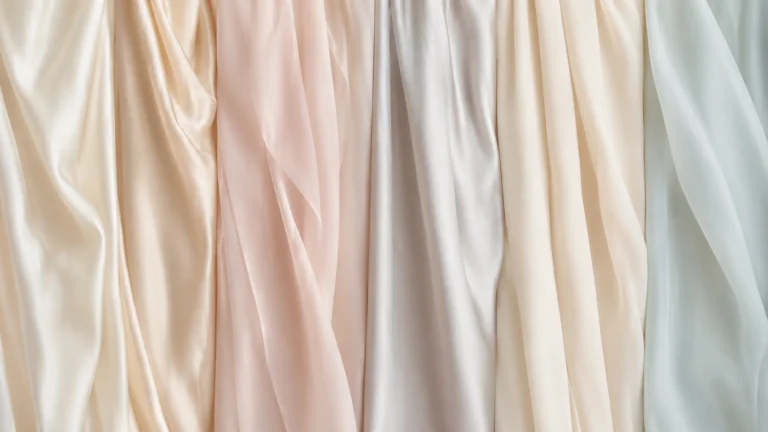
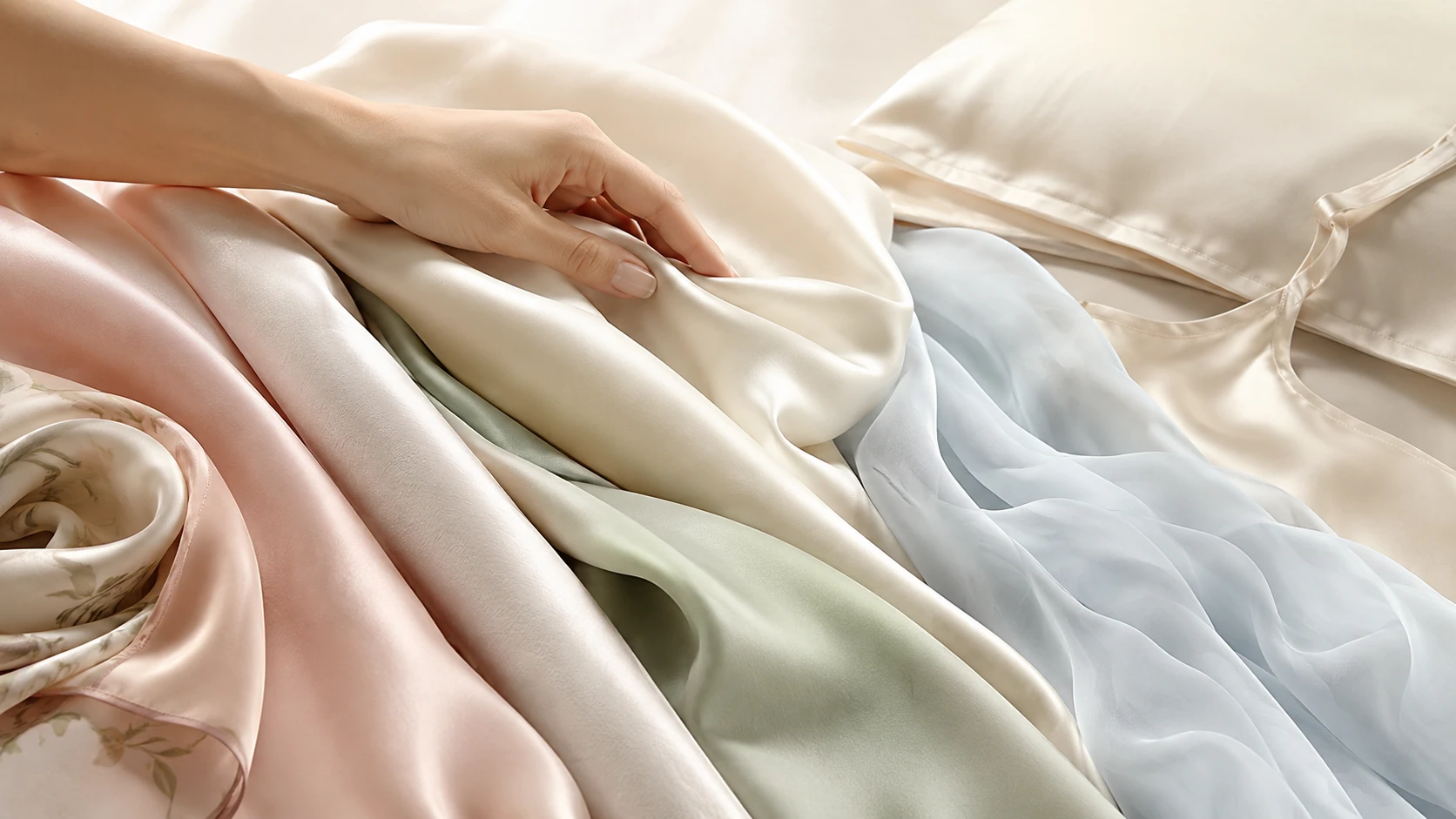
Silk is often described as soft and luxurious, but different silk fabrics can feel surprisingly different in the hand. Some are smooth and glossy, some have a subtle texture, while others feel crisp, airy or slightly dry.
For designers, brands and buyers, choosing silk by appearance alone is not enough. The hand feel affects how the finished product drapes, moves, reflects light and performs during printing. Understanding these differences can help you select a fabric that suits both your design and its intended application.
What Does “Hand Feel” Mean?
Hand feel describes the sensation of a fabric when it is touched, folded or moved. It is influenced by several factors, including the weave, yarn twist, fabric weight and finishing process.
When evaluating silk, pay attention to:
- Surface: Is it smooth, grainy, crisp or slightly creped?
- Softness: Does it feel fluid and delicate or firm and structured?
- Drape: Does it fall naturally or hold its shape?
- Weight: Does it feel light and airy or dense and substantial?
- Lustre: Does it have a strong shine, soft glow or matte finish?
- Transparency: Is the fabric opaque, semi-sheer or transparent?
These qualities help determine whether a silk fabric is better suited to scarves, garments, accessories, linings or other custom products.
Smooth and Fluid: Silk Satin and Charmeuse
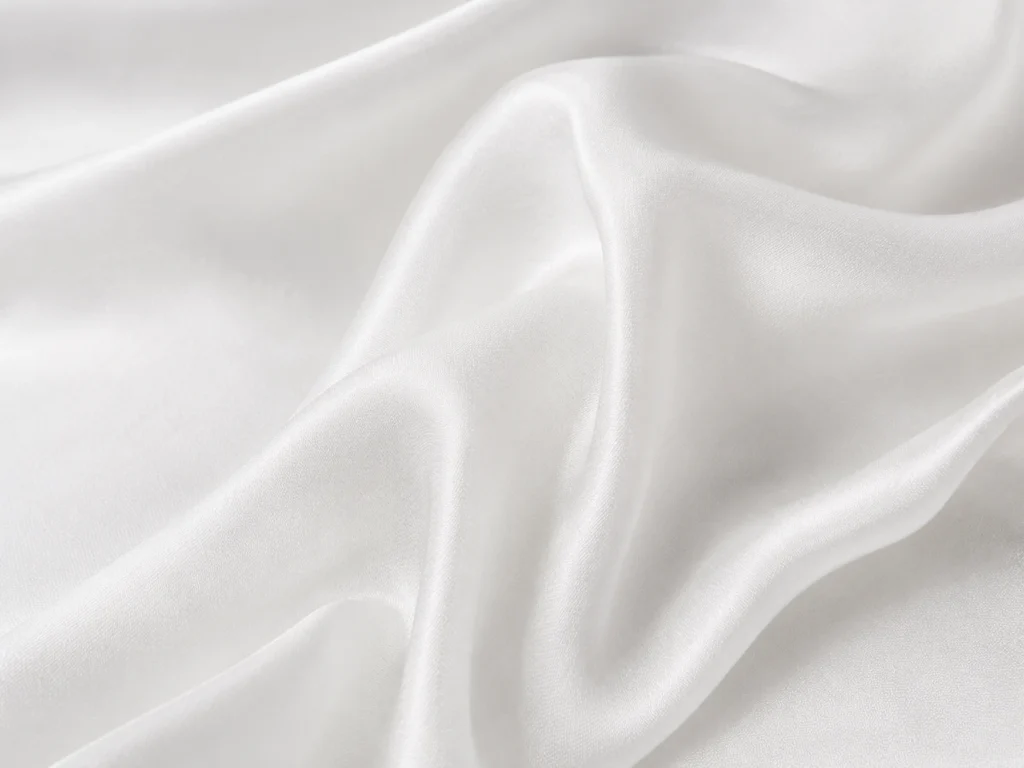
Silk satin, often associated with charmeuse, has one of the smoothest and most recognizable silk surfaces. The front is glossy and reflective, while the reverse side is softer and more matte.
It feels fluid in the hand and drapes closely around the body. This makes it suitable for products that need a luxurious appearance and graceful movement.
Silk satin also produces rich, vibrant printed colours. However, its reflective surface means the same colour can look slightly different under natural light, indoor light and photography.
Best suited for: fashion scarves, dresses, blouses, eye masks, pillowcases, scrunchies and premium accessories.
Soft but Structured: Silk Twill
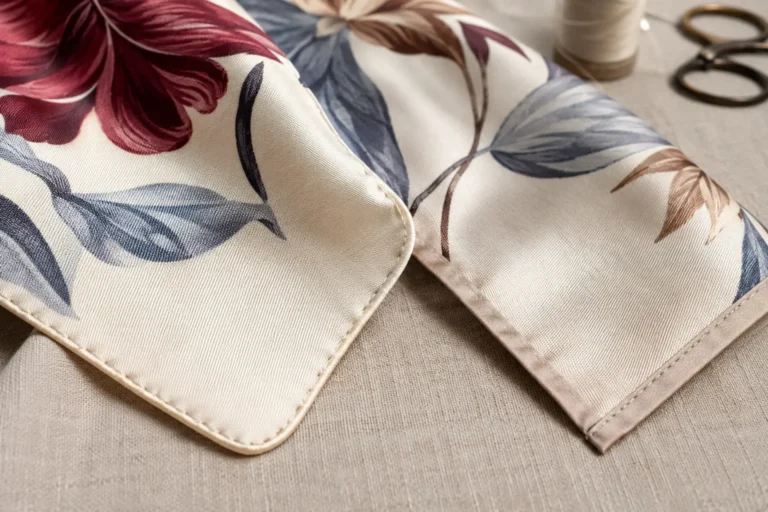
Silk twill has a fine diagonal weave that gives it more structure than satin or chiffon. It feels smooth but substantial, with enough body to hold the shape of a scarf without becoming stiff.
This balance of softness and structure makes twill a popular option for premium square scarves, neck scarves and silk ties. Its dense surface also helps reproduce clean lines, decorative borders and detailed artwork.
Lightweight twill feels flexible and comfortable, while heavier twill creates a fuller and more substantial result.
Best suited for: square scarves, neck scarves, silk ties, pocket squares and structured fashion accessories.
Soft and Matte: Silk Crepe de Chine
Silk crepe de Chine has a fine, slightly textured surface and a soft, natural drape. It is less glossy than satin and has a more understated appearance.
When touched, it may feel gently grainy rather than completely smooth. This texture gives the fabric a relaxed character while helping it resist obvious creasing.
Printed colours on crepe de Chine usually appear soft and refined. It is particularly suitable for botanical patterns, watercolour effects and designs that do not require a highly reflective finish.
Best suited for: scarves, blouses, dresses, skirts, shawls and lightweight garments.
Light and Smooth: Silk Habotai
Silk habotai is a lightweight plain-weave fabric with a soft surface and gentle lustre. It generally feels smoother than crepe de Chine but less glossy and fluid than satin.
Because it is light and flexible, habotai is often selected for products that require softness without too much weight. Very lightweight versions may be slightly transparent and can create a delicate finished effect.
Habotai works well for colourful printing, although its light construction means the reverse side and background conditions may influence how the final colours are perceived.
Best suited for: lightweight scarves, garment linings, decorative textiles and promotional silk accessories.
Airy and Delicate: Silk Chiffon
Silk chiffon is extremely lightweight, transparent and airy. It has a delicate surface and creates a floating effect when moved.
Its touch is not as smooth as satin. Instead, chiffon has a light, slightly textured feel that helps give it movement and volume.
Because the fabric is transparent, printed colours usually appear softer and less saturated. Designs with open spaces, gentle gradients and lighter colour palettes tend to work particularly well.
Best suited for: lightweight scarves, garment overlays, bridal accessories and decorative fashion details.
Textured and Flowing: Silk Georgette
Silk georgette is also lightweight and semi-transparent, but it normally feels more textured and slightly heavier than chiffon. Its surface has a fine grain and a soft, dry touch.
Georgette drapes naturally while retaining a little more body. This makes it suitable for flowing garments and scarves that need movement without appearing overly delicate.
The textured surface can give printed artwork a soft and artistic character rather than the sharp shine produced by satin.
Best suited for: scarves, blouses, dresses, layered garments and flowing fashion pieces.
How Momme Affects the Feel of Silk
Momme is commonly used to describe the weight and density of silk fabric. In general, a higher momme fabric feels heavier, denser and more substantial, while a lower momme fabric feels lighter and more transparent.
However, momme should not be treated as the only measure of quality. Two silk fabrics with a similar weight may still feel very different because of their weave and finishing.
For example, silk twill may feel firm and structured, while satin of a similar weight may feel smoother and more fluid. The intended product should therefore guide the selection.
Silk Compared with Cotton and Polyester
Silk is valued for its fine fibres, natural lustre and responsive drape. Unlike cotton, which usually feels more matte and absorbent, silk can range from crisp and structured to smooth and flowing.
Polyester fabrics can imitate the shine of silk satin, but the hand feel, breathability and movement may differ. Fabric blends can also behave differently depending on their fibre composition and construction.
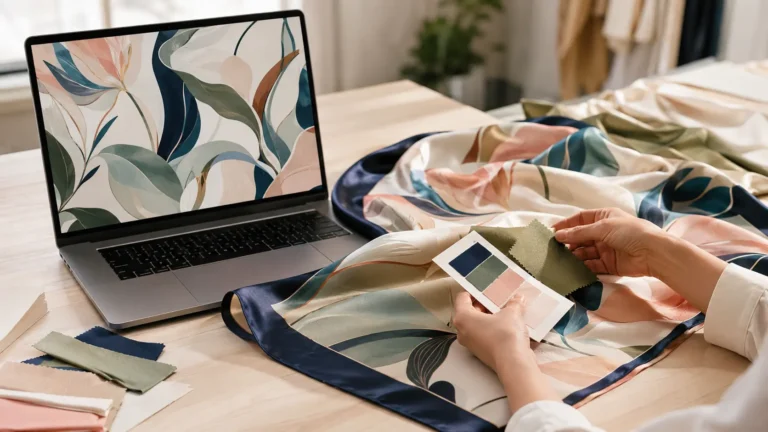
The most reliable way to evaluate these differences is to compare physical swatches rather than relying only on product names or online photographs.
How Printing Changes the Feel and Appearance
The same artwork will not produce an identical result on every silk fabric.
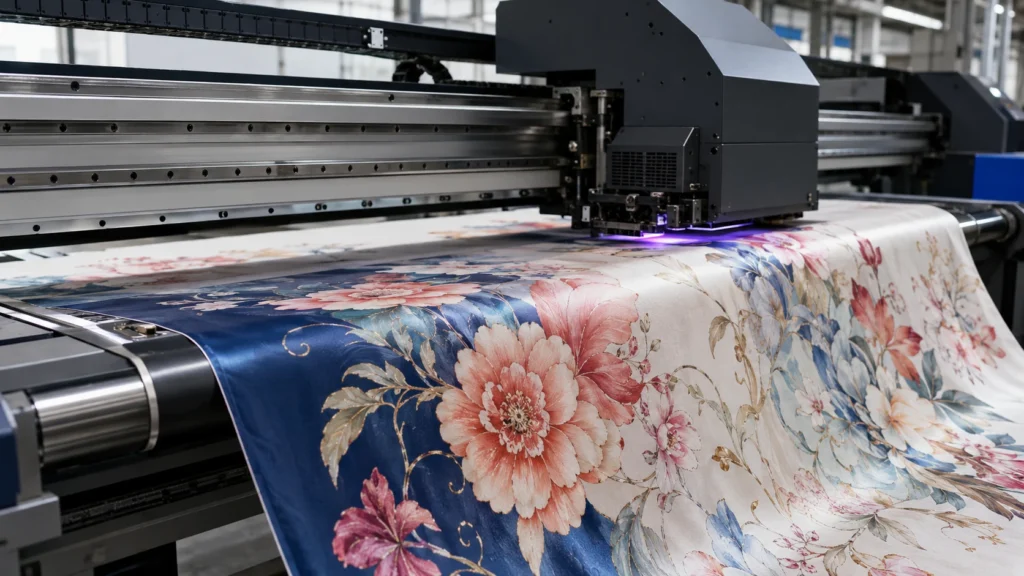
A smooth, dense surface such as satin or twill can display strong colours and fine details. Textured fabrics such as crepe de Chine and georgette may create a softer visual effect. Transparent fabrics such as chiffon can make colours appear lighter.
Printing, steaming, washing and finishing may also slightly change the original hand feel. For this reason, the final fabric should be evaluated after the complete printing and finishing process.
Check a Physical Sample Before Production
Before confirming a custom silk order, examine the fabric under both natural and indoor lighting. Hold it against the light to check transparency, fold it to assess structure and allow it to hang naturally to observe the drape.
For printed projects, a strike-off made with the actual artwork provides the most reliable reference. It allows you to evaluate:
- Colour saturation
- Fine details
- Fabric texture
- Reverse-side appearance
- Lustre and transparency
- Final hand feel after finishing
A screen can show the artwork, but only a physical sample can show how the design and silk fabric work together.
Final Thoughts
Choosing silk by feel is about finding the right balance between softness, structure, weight, lustre and movement.
Silk satin offers smoothness and shine, twill provides structure and print clarity, crepe de Chine creates a soft matte effect, and chiffon or georgette delivers lightweight movement. Habotai offers a versatile option for projects that require a lighter and more flexible fabric.
By considering the finished product, artwork and desired tactile experience together, designers and buyers can select a silk fabric that looks right, feels right and performs well in production.