How Custom Silk Scarves Are Made: From Your Design File to the Finished Product
A custom silk scarf begins as a creative idea, but transforming that idea into a refined, retail-ready product involves much more than simply printing an image onto fabric.
The choice of silk, colour accuracy, printing technique, edge finishing, packaging and transportation can all affect the final result. For independent designers and premium fashion brands, understanding the production process makes it easier to communicate with a manufacturer, control quality and bring a collection to market with confidence.
At China Silk, the process generally follows seven stages: artwork review, fabric selection, colour confirmation, printing method selection, sample and production, packaging confirmation and international shipping.
1. Submitting and Reviewing the Design
The process starts when the customer sends us the scarf design or original artwork. This may be a finished repeat pattern, an illustration, a painting, a photograph or a layout created specifically for a square or rectangular scarf.
Before production begins, our team checks the artwork carefully. We confirm the scarf dimensions, image resolution, pattern placement, border position and overall composition. Fine lines, small lettering and important design elements must be placed correctly so that they are not lost during cutting or hemming.
High-resolution files are usually preferred because they help preserve fine detail during digital printing. Depending on the design, suitable formats may include AI, PSD, TIFF, PDF or high-resolution JPEG files.
If the artwork needs adjustment, we communicate with the designer before moving forward. This early review helps prevent avoidable differences between the digital design and the finished silk scarf.
2. Choosing the Right Silk Fabric
The same design can look and feel very different when printed on different silk fabrics. Fabric selection is therefore one of the most important decisions in the custom silk scarf manufacturing process.
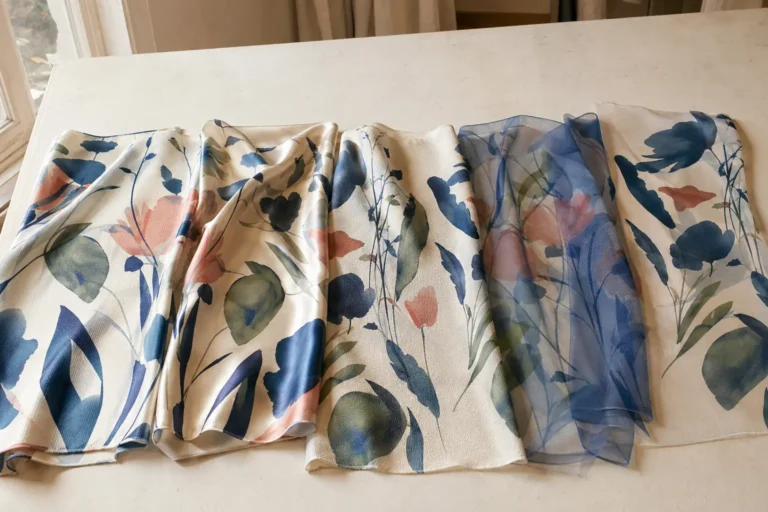
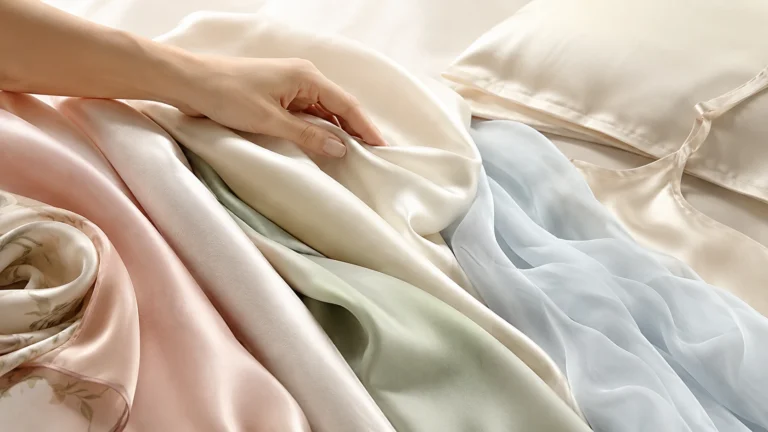
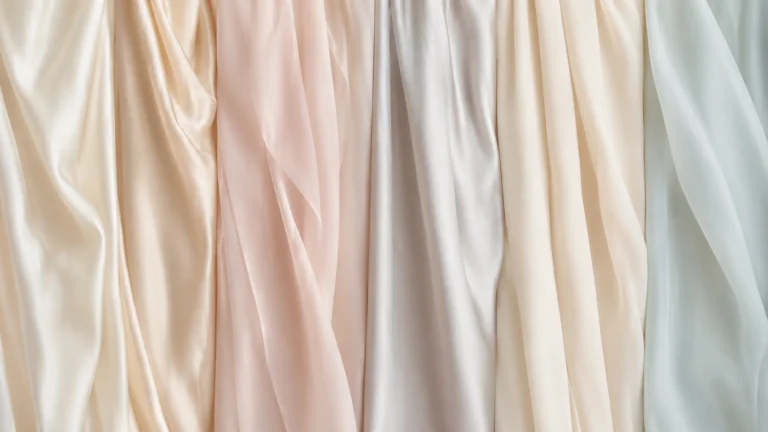
Silk twill has a structured drape and a visible diagonal weave, making it a popular choice for premium square scarves. Silk satin has a smooth surface and elegant sheen that can make colours appear rich and luminous. Crepe de Chine offers a softer, more understated appearance, while silk chiffon creates a light, transparent and flowing effect.
The weight of the silk, usually expressed in momme, also affects the scarf’s handle, opacity and drape. A lighter silk feels airy and delicate, while a heavier silk provides more structure and a substantial luxury feel.
When recommending a fabric, we consider the designer’s artwork, target price, intended use and brand positioning. A fashion scarf, wearable artwork, luxury gift and promotional accessory may each require a different fabric solution.
3. Confirming the Colours
Colour on a computer screen is not identical to colour printed on silk. Screens produce colour using light, while printed silk reflects light through ink, fibre structure and the natural sheen of the fabric.
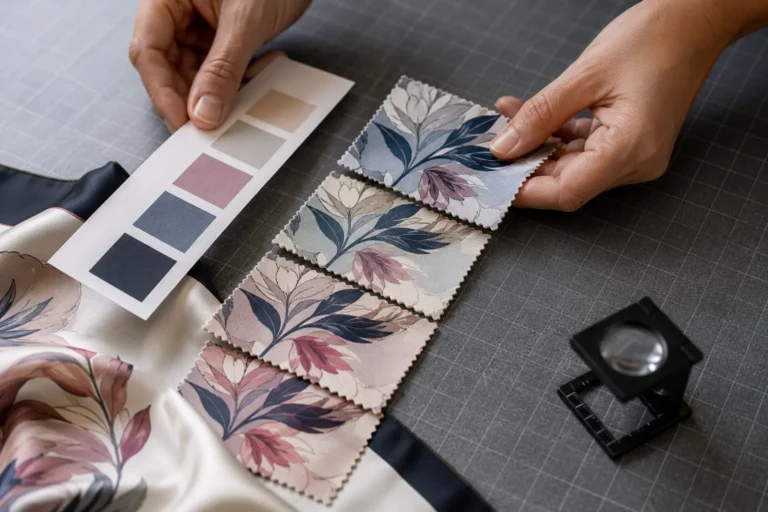
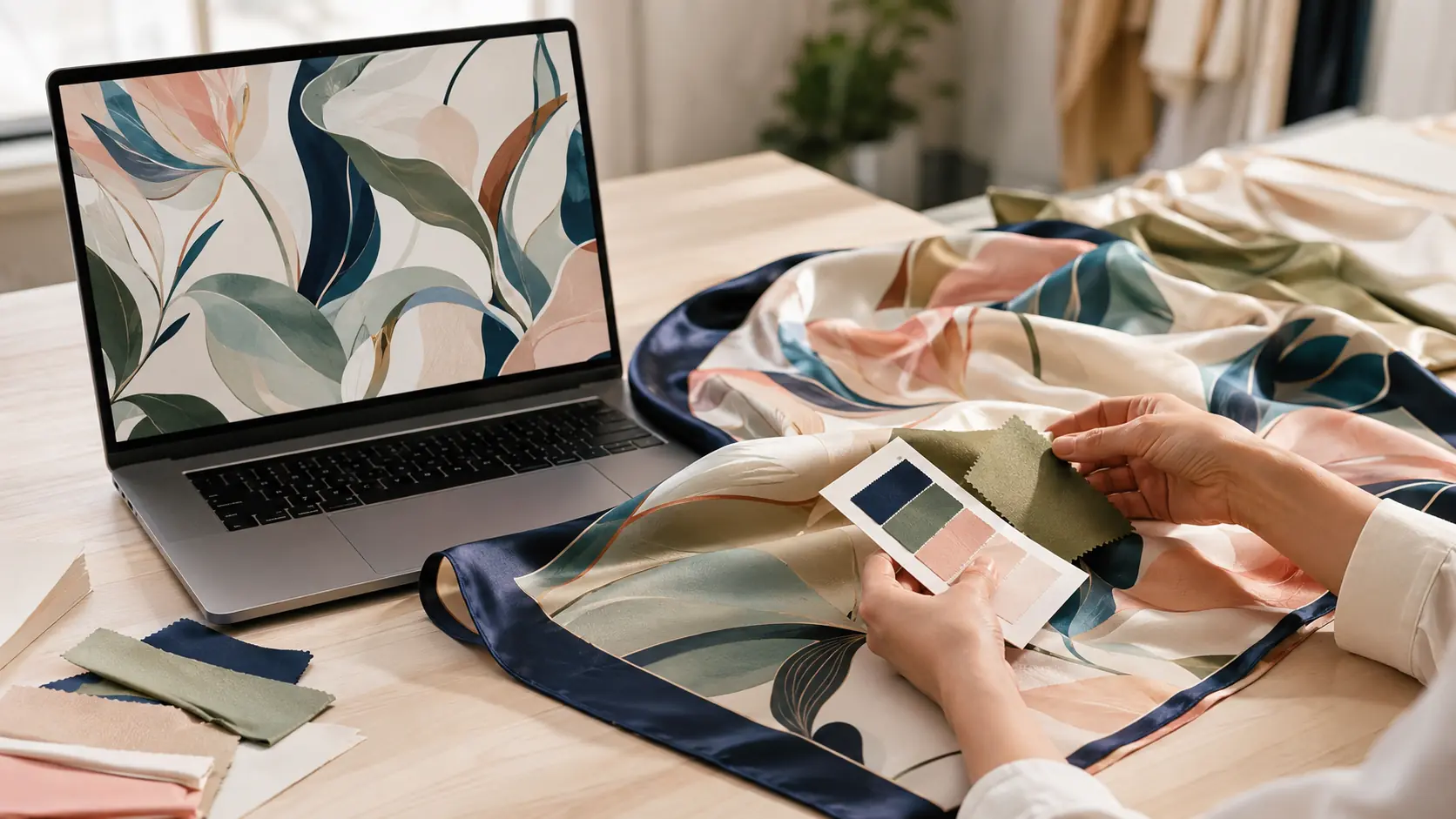
For this reason, colour communication is an essential part of custom silk printing. Customers can provide Pantone references, physical colour samples or other clear colour standards. These references help us understand the intended result more accurately than a screen image alone.
The selected fabric also influences the appearance of the colour. A shade printed on silk satin may appear brighter and more luminous than the same shade printed on crepe de Chine or chiffon.
For projects where colour accuracy is especially important, a printed sample or strike-off can be produced before the main order. The designer can then evaluate the colour, scale and detail on the actual fabric rather than relying only on a digital preview.
4. Selecting the Printing Method
Once the fabric and colour requirements are clear, the most suitable printing method can be confirmed.
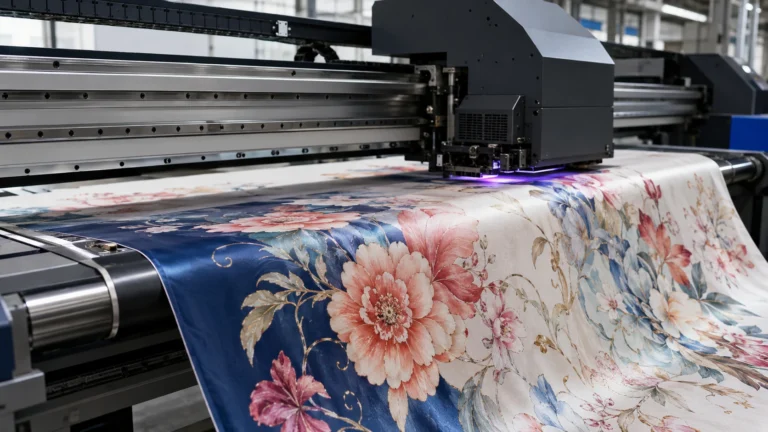
High-resolution digital printing is particularly suitable for artwork containing many colours, tonal transitions, illustrations, photographic elements or fine details. It allows designers to reproduce complex artwork without creating a separate printing screen for every colour.
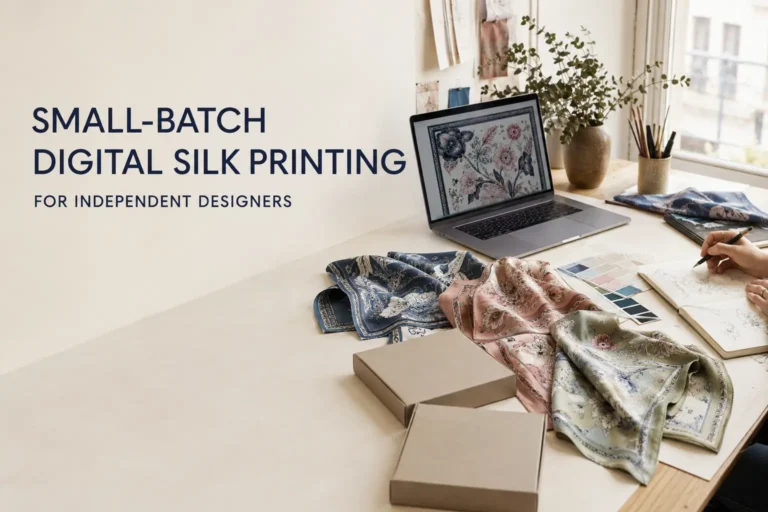
Digital silk printing is also well suited to independent designers, capsule collections, museum products, artist collaborations and limited-edition scarves. It offers greater flexibility when developing multiple designs or producing relatively small quantities.
However, printing decisions should not be based on quantity alone. The design style, fabric construction, colour depth and expected appearance of the reverse side must also be considered. Our team reviews these factors with the customer before production starts.
5. Sampling and Production
For a new design, producing a sample is often the most reliable way to confirm the complete result. A sample allows the customer to evaluate the printed colours, silk quality, design placement, dimensions, edge finishing and overall hand feel.
After the sample has been reviewed and approved, the design can move into production.
The silk fabric is prepared for printing, and the approved artwork is printed according to the confirmed specifications. The printed fabric then goes through the necessary colour-fixation and finishing processes. Depending on the fabric and printing technique, this may include steaming, washing, drying and fabric finishing.
The printed silk is subsequently cut to the required dimensions. The edges can then be completed using the agreed finishing method, such as a hand-rolled hem or a fine machine-stitched hem. Edge finishing is a small detail visually, but it has a significant influence on the appearance and perceived value of the finished scarf.
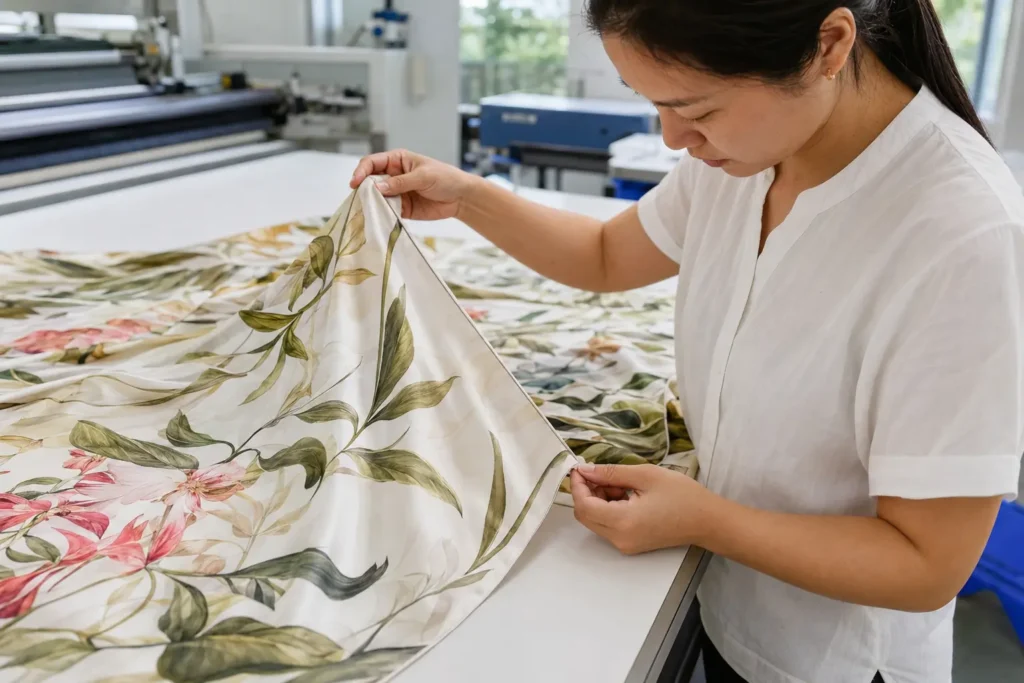
Before packing, the scarves are inspected for printing consistency, colour, dimensions, stains, fabric defects and stitching quality.
6. Confirming Labels and Packaging
Packaging is not simply the final container. For a premium scarf collection, it forms part of the overall brand experience.
Before the order is packed, we confirm the packaging specifications with the customer. These may include the folding method, individual protective packaging, branded labels, care labels, swing tags, paper sleeves, envelopes or presentation boxes.
Independent designers may prefer simple, flexible packaging that allows them to add their own branding after delivery. Established brands may require fully customised retail packaging, barcodes, product information cards or gift-ready boxes.
All packaging details should be confirmed before final packing begins. The product size, number of scarves per carton and protection required during transport must also be considered. Proper packaging helps the scarves arrive clean, smooth and ready for retail presentation.
7. International Shipping
Once production, inspection and packing have been completed, the order is prepared for transportation.
The appropriate shipping method depends on the order quantity, carton dimensions, delivery destination, budget and required arrival date. Express courier or air freight is often suitable for samples and smaller orders, while larger commercial orders may require a different transport solution.
For customers in the United Kingdom and Europe, clear shipping information and accurate commercial documents help make the import process more manageable. Before dispatch, the delivery address, contact information, shipping method and packaging details are checked again.
Tracking or shipping documents are then provided so that the customer can follow the order until delivery.
Why a Clear Production Process Matters
Successful custom silk scarf production depends on a series of connected decisions. An excellent design can only achieve its full potential when it is paired with the right silk, carefully managed colours, an appropriate printing method and precise finishing.
For independent designers, working with an experienced silk printing partner also reduces uncertainty. Instead of managing separate suppliers for fabric, printing, sewing, labels, packaging and delivery, the complete project can be coordinated through one production process.
Clear confirmation at every stage protects the designer’s creative intention while making the finished product more consistent and commercially ready.
Start Your Custom Silk Scarf Project
Whether you are developing your first scarf design, preparing a limited-edition collection or creating a premium private-label product, the process begins with your artwork and product requirements.
Send us your design, preferred dimensions, estimated quantity and any fabric, colour or packaging ideas you already have. The China Silk team can help you evaluate the production details and turn your artwork into a beautifully finished custom silk scarf.